
Brava

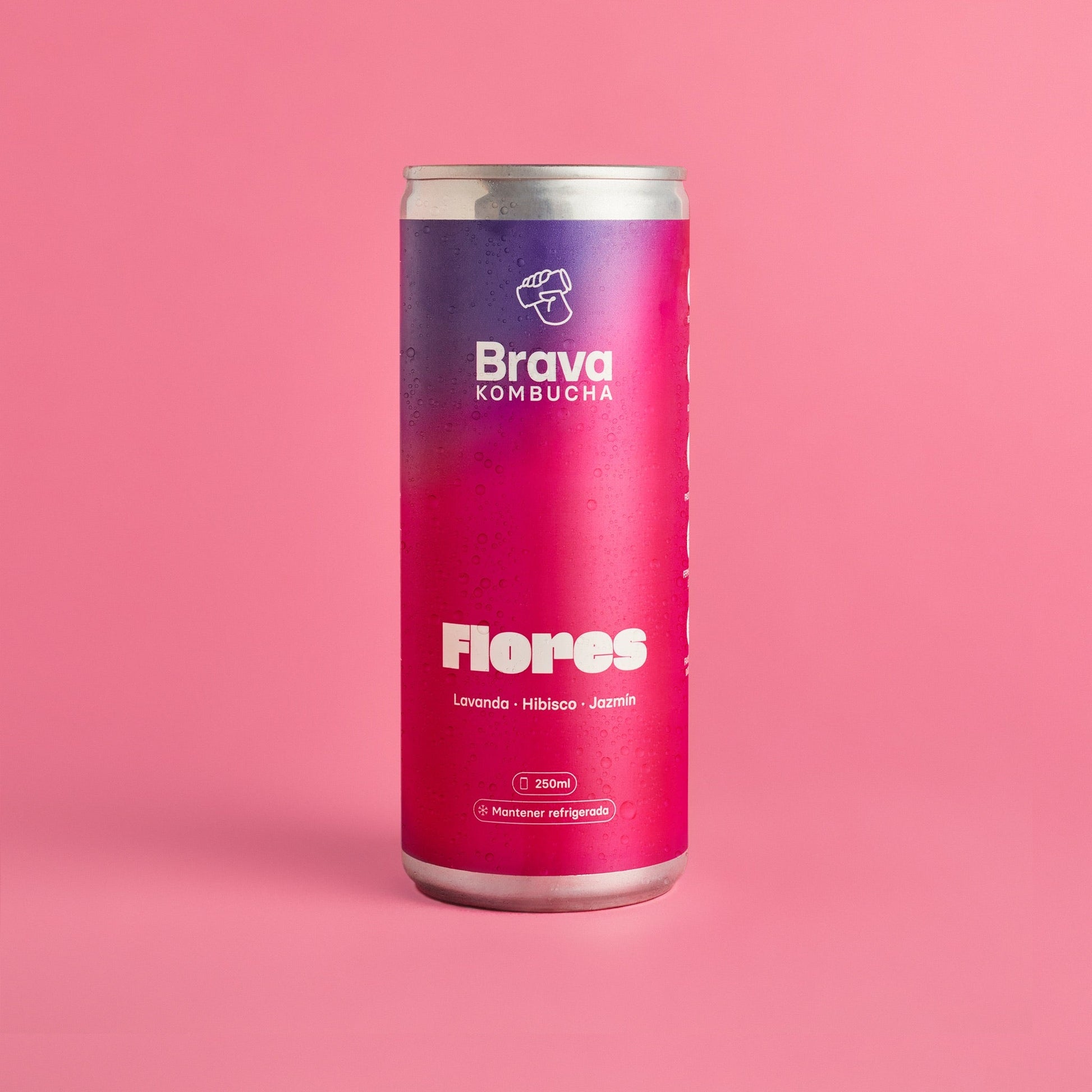
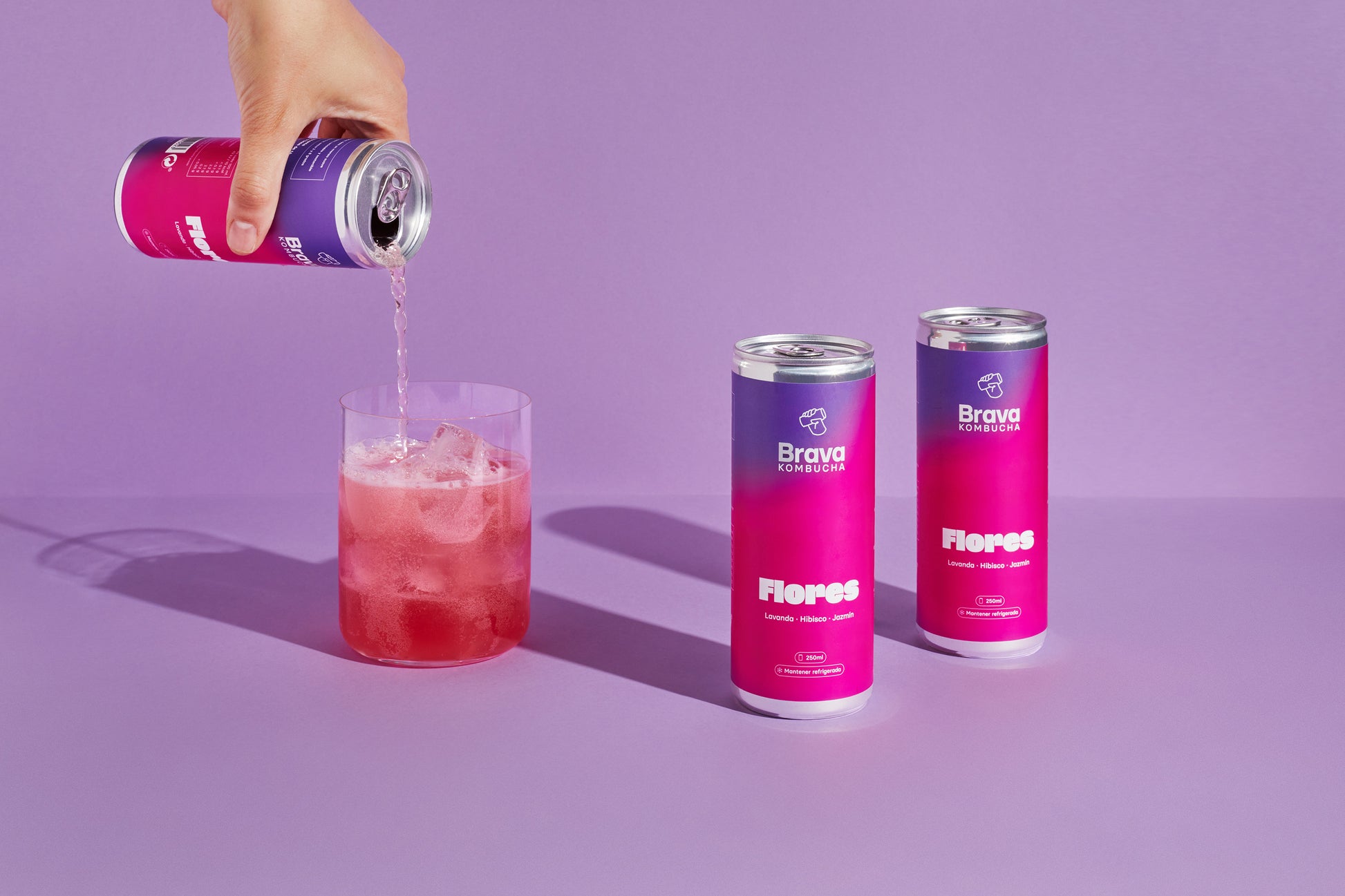
Brava makes a drink that has won the kombucha world's version of an Oscar three years running, and you have still never heard of it. We are working to change that

Brava

When a product is well-liked, people come back for more, and it still doesn't grow, moving the message usually amounts to changing the curtains to stop hearing the neighbours. The noise is coming from somewhere else. So instead of a campaign, we asked them the question almost nobody asks in Spain: are you sure you're competing in the right category?

This project was modular. We ran the full cultural discovery, designed the validation route, and did part of the narrative work. We also proposed product changes: the formula didn't need touching, but the sales formats did.

What did we find?

  • A playing field with someone else's rules on it. Sold as a probiotic drink for digestion, Brava was competing on kombucha's turf. A small brand in there, however good, can only ever hope to be one more kombucha, a bit better than the rest. And it's fighting bigger rivals on price, distribution and noise. It loses on all three.
  • A vocabulary that didn't set it apart. Digestion, probiotics, microbiome, wellness. Words any brand on the shelf can use, and ones that also file it away in the same mental shelf as pilates and bone broth.
  • A costume that was too tight. A kombucha sells itself as health: you drink it because it's good for you. A popular drink sells itself as desire: you drink it because you feel like it. Brava, by nature, always had more of the second.
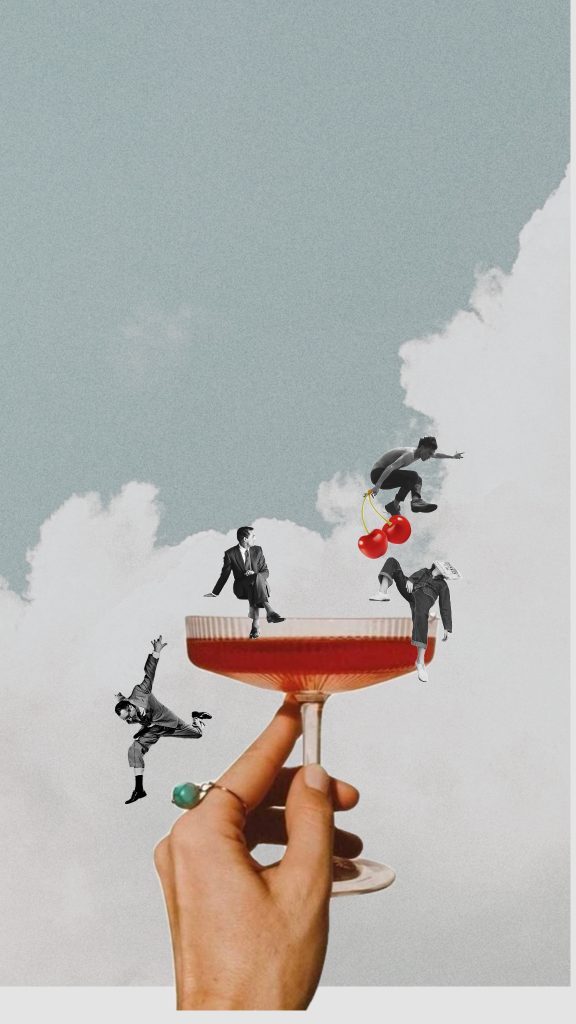
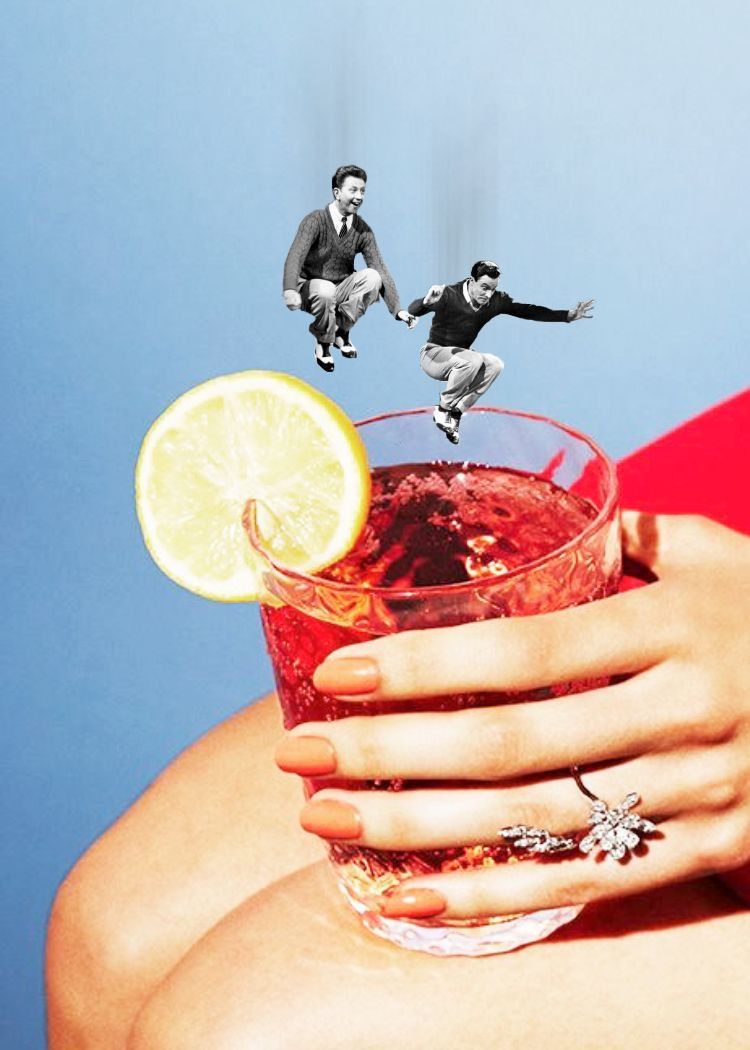
A toast with Brava served in a glass

SCOPE

Cultural discovery

Five documents to understand how it moves.

The tension radar. Twelve months of Spanish conversation about what people drink, read where nobody's looking: Reddit, r/askspain, Google Trends, Trustpilot and Amazon reviews, lifestyle press. Nine tensions scored by pain, frequency and volume.

The structural one scored 9.5 out of 10 and nearly 3,000 mentions a month: I want to know what I'm putting in my body, but I don't trust the artisanal stuff (who knows what's actually in it) or the industrial stuff (they've pasteurised the life out of it). The movement isn't toward homemade or toward big-brand, it's toward the artisanal with a seal of approval.

The biggest one landed on a Friday at six. Terrace, friends, the waiter's watching you. Alcohol, and Saturday stops existing. A 0.0 that tastes like "I'm driving." Water, and you vanish from the conversation. 3,800 mentions a month of people turning that over in their heads.

The commercial-gap map. Every tension cross-referenced with what the market already offers, and what that gap is worth a year.

The adoption vectors. Five concrete moments, not five demographic profiles. A vector is context, trigger, what the person does today while unsatisfied, and how Brava gets in without asking them to change a habit.

Friday happy hour, six to eight, 2.8 million people and the easiest entry point of the five. Saturday cooking, where the drink accompanies instead of stealing the show. The four o'clock slump at the office. The gourmet dinner, low frequency but high value per unit. And the pre-drinks at home before going out, which is Friday again but in domestic form and with half the social pressure.

The reframing benchmark. Three brands that switched categories without dropping their price, taken apart to see the mechanics. All three repeat the same formula. Your category's function, plus the codes of an aspirational category, equals new territory.

The three fit hypotheses. Scope doesn't close with a single recommendation, it closes with three bets, ranked by what can be won and what can break.
VOICE

Compass narratives

Here we worked the frame, not the full verbal system. The brand already had an identity and didn't need rebuilding, it needed to decide where it speaks from.

The recommended territory was the Spanish aperitivo. Vermouth, the group ritual, the grown-up flavour that isn't sweet, the retro that's gone cool without asking permission. Kombucha's function, with vermouth-bar codes. Not a kombucha dressed up as an aperitivo, but an aperitivo that turns out to be fermented.

Written alongside its anti-reference, because a brand is also defined by what it stands against. Against: industrial kombucha sold as digestive medicine, sugar-driven soft drinks, mainstream beer. For: artisanal vermouth, the ritual, the group deciding what it drinks.

And one rule that orders everything else: never talk about the product as an absence. The whole alcohol-free category gets talked about as something you're giving up, and nobody asks to give something up on a terrace.

FLOW

Following the route

Researching without deciding is useless. On February 13th we sat down for three hours with the team, with one rule: we're not here to debate the whole product, we're here to decide which parts of the product help validate the future.

The giving-it-up traffic light. Every element of the brand marked red (we stop saying it), amber (needs twisting) or green (leave it alone). Because a brand that says everything says nothing.

The betting table. A hundred chips per person, split across the proposed experiments. The backlog gets prioritised by the team, not by us.

Five experiments came out of it, each with its metric, its success threshold and its red flag written down before starting. 42 hours of work, and between 150 and 400 euros total.

  • Pre-ordered social pack. Are people buying Brava to share? Validated if more than 15% choose the pack over a single bottle, and if more than 30% of the feedback mentions sharing, gifting or a group.
  • Sports spaces. Mapping gyms, boxing studios and yoga studios in Murcia with an email that sells nothing and just asks whether Brava would make sense there. More than 30% positive responses, and a pilot gets built.
  • Micro-influencer collaborations. Profiles with 2,000 to 8,000 followers and engagement above 4%, product and commission, no fee and no script. More than five sales per profile in two weeks, acquisition cost under 15 euros.
  • NoLo lead magnet for cafés. A five-step checklist for adding NoLo to the menu, with a template and calculator, to open B2B conversations without a single cold call. More than twenty downloads in two weeks and more than five meetings in three.
  • Private NoLo community. A closed channel where people share the most awkward situation they've been in for not drinking. More than 15% participation.

And a closing test agreed on beforehand: the phase counts as a success if two of the five validate, if reusable assets come out of it, and if it's clear what doesn't work. Discovering the sports channel doesn't resonate is worth as much as confirming Friday does.

Resultados

A position nobody else occupies

Brava knows what category it's going to play in, under what rules, and who it doesn't want to compete against. The chance to be first somewhere instead of seventh somewhere else, with the gap sized at 2.6 to 3.2 million euros a year, and three hypotheses ranked in case the bet has to change.

A system for validating cheaply

Five experiments with thresholds and red flags defined before starting, 42 hours and under 400 euros. Criteria for knowing what moves forward and what gets dropped, without having to argue it out every Monday. And concrete consumption moments instead of a demographic profile, which is what lets you decide on a channel in five minutes.

Doors that used to be closed

As an alcohol-free aperitivo, not just one more kombucha, doors open that didn't fit before: neighbourhood terraces and hospitality, specialty cafés, the NoLo movement, and a story no other brand on the shelf can tell without contradicting itself.

WANT TO BE OUR NEXT PROJECT?

WRITE TO US

Your project is innovative. We work differently, with our own method. Let's build something great together.